Helyben keletkező kozmogén izotópos geokronológia, a felszínfejlődés számszerűsítésének sokoldalú eszköze, 1. rész: Elméleti alapok
DOI:
https://doi.org/10.23928/foldt.kozl.2025.156.1.37Kulcsszavak:
helyben keletkező kozmogén izotópok, kitettségi kor, betemetődési kor, lepusztulási ráta, kormeghatározás, felszínfejlődésAbsztrakt
A litoszférában helyben keletkező kozmogén izotópok által nyújtott eszköztár napjainkra a felszínfejlődés számszerű vizsgálatának alapvető és széles körben alkalmazott módszerévé vált. Használható egykori felszínek, jellegzetes felszínformák kitettségi korának, eltemetett üledékek esetén a betemetődés korának meghatározására. Emellett alkalmazható fedetlen vagy regolittal fedett felszínek, valamint teljes vízgyűjtők lepusztulási sebességének számszerűsítésére. Alkalmazása változatos litológia mellett és 102–106 éves időtartományban lehetséges.
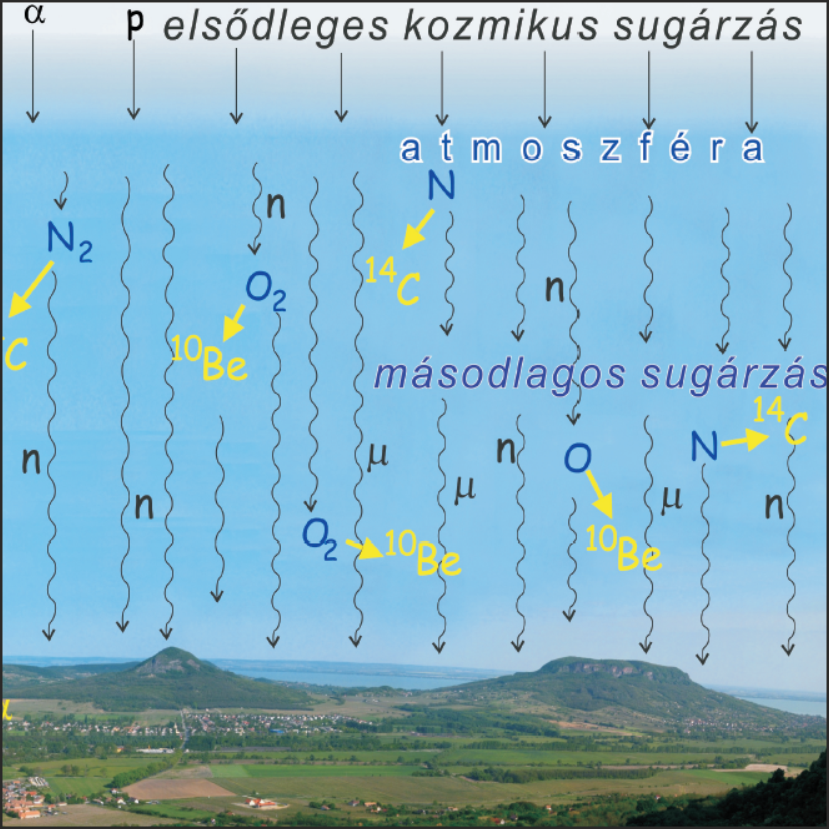
Jelen áttekintő tanulmány két részből áll. Az első rész a módszer alkalmazásához szükséges elméleti hátteret ismerteti. Elsőként a helyben keletkező kozmogén izotópok keletkezését meghatározó tényezőket és a keletkezésének mechanizmusait, majd a földtudományban alkalmazott stabil és radioaktív izotópokat mutatja be. Ezen bevezető ismeretek szükségesek a tanulmány második részében a helyben keletkező kozmogén izotópok földtudományi célú alkalmazási lehetőségeinek, a kitettségi kor, betemetődési kor és a lepusztulási ráta meghatározásának és a módszer korlátainak megértéséhez.
##submission.downloads##
Megjelent
Hogyan kell idézni
Folyóirat szám
Rovat