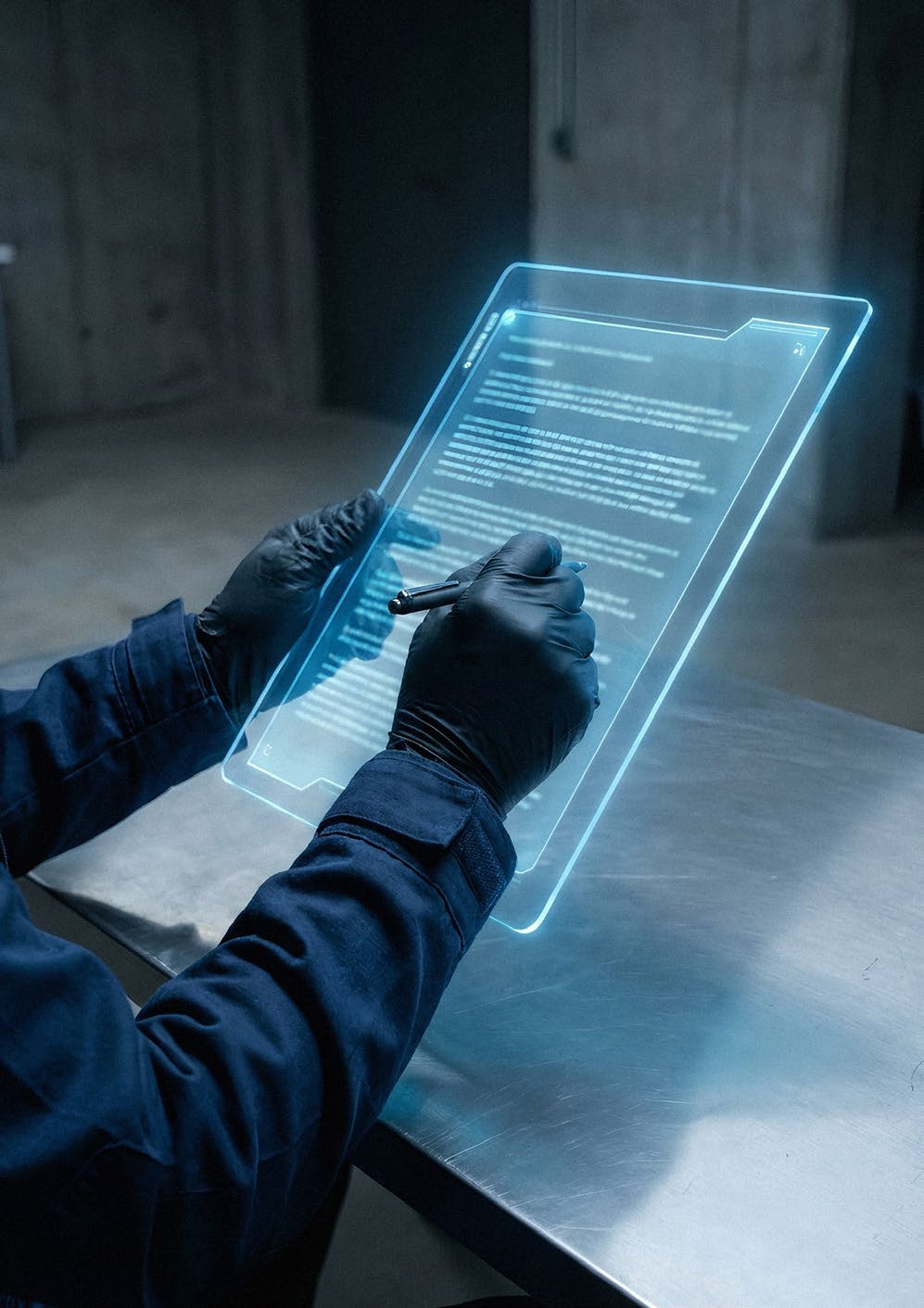
Byte-ok és beton – A digitalizált, fenntarthatóbb börtönnyomában
Absztrakt
A tanulmány a „fenntartható és környezettudatos digitális börtön” koncepcióját elemzi, amely a büntetés-végrehajtási szervezet modernizációját az Európai Zöld Megállapodás céljaival kapcsolja össze. A bv. intézetek energia- és erőforrás-igényesek, ezért különösen alkalmasak zöld és digitális innovációk bevezetésére. Nemzetközi példák (skandináv, holland, ausztrál gyakorlat) mutatják, hogy a technológia és a fenntarthatóság integrációja egyszerre segíti elő a humánus működést,
a költséghatékonyságot és a reintegrációs lehetőségeket. A magyarországi Csengeri Országos Büntetés-végrehajtási Intézet esettanulmánya illusztrálja a „smart prison” modell gyakorlati megvalósítását – energiahatékony rendszerek, papírmentes adminisztráció, digitális szolgáltatások és mesterségesintelligencia-alapú biztonsági rendszerek révén. A tanulmány rámutat: a digitális börtön nem csupán technológiai újítás, hanem szervezeti és kulturális átalakulás is.
Hivatkozások
Borseková, Kamila - Klátik, Jozef - Koróny, Stanislav - Krištofík, Peter - Mihók, Peter - Orviský, Martin (2020): Sustainable policy measures based on implementation of digital technologies in corrections: Exploratory study from Slovakia and beyond. Sustainability. https://doi.org/10.3390/su12208643
Büntetés-végrehajtási szervezet hivatalos honlapja: Új büntetés-végrehajtási intézet létesült Csengeren (2025). Online: https://bv.gov.hu/hu/node/7545 (Letöltés ideje: 2025. augusztus 15.)
Chantal Edge (2021): Investigating the implementation of telemedicine in English prisons. PhD thesis, University College London, Department of Epidemiology and Public Health. Online: https://discovery.ucl.ac.uk/id/eprint/10134860/1/CEdge%20prison%20telemedicine%20phd%20copy%20for%20upload%20to%20library.pdf (Letöltés ideje: 2026. február 04.)
Correctional Service Canada (2023): Departmental sustainable development strategy 2023-2027. Government of Canada. Online: https://www.canada.ca/en/correctionalservice/corporate/transparency/reporting/sustainable-development-strategy/2023-2027/sustainable-developmentstrategy.html (Letöltés ideje: 2025. augusztus 15.)
Czenczer Orsolya (2021): A "zöld" büntetés-végrehajtás margójára… Avagy a magyar büntetés-végrehajtás ökológiai lábnyom-csökkentésének eredményei. Börtönügyi Szemle, 2., p. 55-67.
Czenczer Orsolya (2023): The impact of the COVID-19 pandemic on the Hungarian penitentiary system and its transformation processes. Magyar Rendészet, 23(1), p. 25-37. https://doi.org/10.32577/mr.2023.1.1
Czenczer Orsolya - Hinkel Tamás (2024): The Hungarian prison service in the light of AI and smart tools. Journal of Criminology and Criminal Law, 62(3), p. 89-101. https://doi.org/10.47152/rkkp.62.3.5
Czenczer Orsolya - Bogotyán Róbert - Sztodola Tibor (2024): Green prisons in Hungary? In: II. Ludovika International Law Enforcement Research Symposium Conference Proceedings, Magyar Rendészettudományi Társaság, p. 99-107.
European Commission (2019): The European Green Deal. Online: https://ec.europa.eu/info/strategy/priorities-2019-2024/european-green-deal_en (Letöltés ideje: 2025. augusztus 16.)
European Court of Auditors (2021): Digital transformation in justice and correctional services. Special report
Goold, Benjamin Jervis (2021): Digital surveillance and penal power: Rethinking transparency in smart prisons. Theoretical Criminology, 25(1), p. 78-95.
Hilty, Manuel Lorenz (2024): Digital transformation and environmental sustainability in correctional institutions. Journal of Sustainable Technology, 8(1), p. 45-60.
Hofinger, Veronika - Pflegerl, Philipp (2024): A reality check on the digitalisation of prisons: Assessing the opportunities and risks of providing digital technologies for prisoners. Punishment&Society, 26(5), p. 898-916. https://doi.org/10.1177/14624745241237190
Jewkes, Yvonne - Moran, Dominique (2014): "Green" prisons: rethinking the "sustainability" of the carceral estate. Geographica Helvetica, 69(5), p. 345-353. https://doi.org/10.5194/gh-69-345-2014
Jewkes, Yvonne - Moran, Dominique (2015): The paradox of the 'green' prison: Sustaining the environment or sustaining the penal complex?, Theoretical Criminology, 19(4), p. 451-469. https://doi.org/10.1177/1362480615576270
Lappi-Seppälä, Tapio (2007): Penal Policy in Scandinavia. Crime and Justice, 36(1), p. 217-295. https://doi.org/10.1086/592812
McKay, Carolyn (2022): The carceral automaton: Digital prisons and technologies of detention. International Journal for Crime, Justice and Social Democracy, 11(1), 104-113. doi.org/10.5204/ijcjsd.2137
Penal Reform International - United Nations Interregional Crime and Justice Research Institute (UNICRI): Green prisons: A guide to creating environmentally sustainable prisons (2025). Online: https://unicri.org/sites/default/files/2025-03/Guide-Green-Prisons-Mar-2025.pdf (Letöltés ideje: 2026. február 04.)