The water cistern, well and wooden water pipe of the cave cellar of the building at 21 Fortuna Street in Buda Castle
Abstract
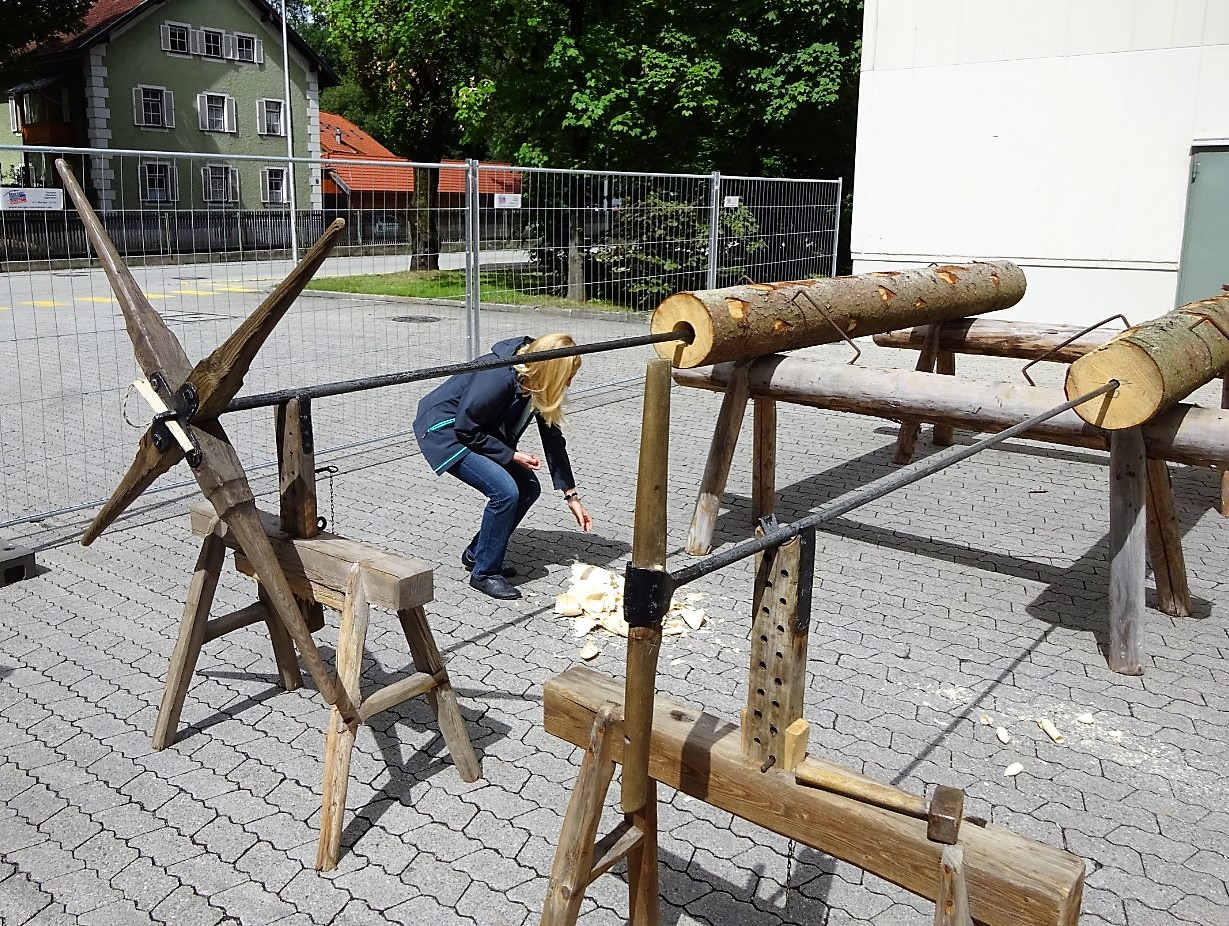
In the cave cellar opening from the building at Fortuna Street 21 in Buda Castle, we noticed in 2019 that a wooden pipe leads from the water collector in the southwest corner of the cave to the northeast part of the cave under the floor. The wooden pipe leads to the site of a former well, which has since been rebuilt into a reinforced concrete emergency exit for a World War II shelter. The wooden pipe may have been placed in this very damp cave cellar to conduct water from the cistern to the former well. The wooden pipe is 6 meters long, has an outer diameter of 24 cm, and an inner diameter of 10 cm. We took a sample from it that same year, and based on the dendrochronological examination of András Grynaeus, it turned out that the larch log could have been cut down in 1693 in the upper reaches of the Danube. Similar wooden water pipes were often used in the Middle Ages in our country and in several other countries, some of which I will present in this study. The pipe was probably placed near this public well to quickly restore the water supply to the ruined Buda Castle, which had been taken back from the Turks and was to be rebuilt. There were still public wells with similar high water-supply capacity in a few places in the Castle, which I also tried to present.
References
Agricola G. (1556). Tizenkét könyv a bányászatról és a kohászatról (reprint) pp. 199.
Balogh J. (1966). A művészet Mátyás király udvarában. I-II. Budapest. pp. 88-92.
Barna B. (2020). Eger és környéke – túrakalauz, Kornétás Kiadó. pp. 47.
Bánrévy Gy. (1936). Az első hivatalos intézkedések a visszafoglalt Budán 1686-ban. Tanulmányok Budapest Múltjából. V. pp. 247-248.
Benda J. (2013). Budapest I. ker., Kapucinus utca 9., Hrsz.: 14292/2. Aquincumi Füzetek 19. pp. 145.
Bonfini A. (1995). A magyar történelem tizedei. Fordította: Kulcsár Péter. Budapest. pp. 870.
Czagány I. (1975). A budavári volt Weixelgärtner ház sorsa, mint művészetszemléleti fejlődésünk fordulópontja, Művészettörténeti Értesítő 24. évf. pp. 86.
Debreceni Búvárklub (1994). Kutatás a barlangpincékben lévő kutakkal kapcsolatban
Dőry P. (1927). A budai Vár titkai, A Mai Nap, 1927. 03.31. https://doi.org/10.1515/juru.1927.1927.1.31
Fényes G. (2007a). Középkori vízmű maradványai Budapest Lánchíd utca 19-21. alól (1/A lelőhely). Budapest Régiségei 41. pp. 193-227.
Fényes G. (2007b). A budai vízemelő szerkezet maradványairól. Magyar Múzeumok 2007:3. (Vol. 13.), pp. 24-25.
FŐMTERV (1953). FŐMTERV TÜK iratanyag - Fortuna u. 21. sz. ház mélypincéje 1953. 01. 06.
Fővárosi Szabó Ervin Könyvtár - Budapest-képarchívum, 000953
Garády S. (1943). Budapest székesfőváros területén végzett középkori ásatások összefoglaló ismertetése, 1931-1941. Budapest Régiségei 13. pp. 167-254.
Garády S. (1998). Buda középkori és újkori vízművei, különös tekintettel a Svábhegy-Városkút kutatásra. Budapest Régiségei 32. pp. 248-250.
Gerevich L. (1966). A budai vár feltárása. Budapest. pp. 174-176.
Hajnal G. (2003). A budai Várhegy hidrogeológiája, Akadémiai Kiadó. pp. 54-55., 65.
Horler M. (1955). Táncsics Mihály utca 24. In.: Budapest műemlékei I. Magyarország műemléki topográfiája IV. Szerk.: Pogány Frigyes. Budapest. pp. 506-507.
Kadić O. (n.a.). Eredeti kéziratos naplója az épületek alatti barlangokról (őrzési helye: Barlangtani Intézet) (készítési ideje ismeretlen, valószínűleg több évtized megfigyeléseit tartalmazza)
Kadić O. (1942). A Budavári barlangpincék, a Várhegyi Barlang és a barlangtani gyűjtemény ismertetése. Budapest. pp. 5.
Károlyi Á. (1936). Buda és Pest visszavívása 1686-ban. Átdolgozta: Wellmann Imre. Budapest.
Kubinyi A. (1984). Városi vízellátási problémák a középkori Magyarországon. Történelmi Szemle 1984. pp. 636-643.
Magyar K. (2007). Beszámoló Buda első, és török kori vízműveinek feltárásáról. Magyar Múzeumok 2007:3. Vol. 13. pp. 20-23.
Österreichisches Staatsarchiv - Haus- Hof- und Staatsarchiv, Kartensammlung Ke 3-5/1, Wien
Pfeifer, K., Hofbauer, W., Buchner, A. (2013). Ein Teuchel der historischen Fürstenbrunner Wasserleitung. Untersuchung des Rorhfundes 2010 im Tjumegger Bezirk. Mitteliungen der Gesellschaft für Salzburger Landeskunde 153. 203. pp. 71-77.
Rohmühle, angetrieben von einem Wasserrad, Heil, Arnold, Verleger,) (Verwalter: Sächsische Landesbibliothek – Staats – und Universitätsbibliothek Dresden (SLUB), Inv. – Nr.: 39.8.102, Abbildung Nr. 13)
Seenger E. (1950). A mai Várkert-rakpart szabályozása 1800 körül. Budapest Régiségei 15. pp. 575-578.
Végh A. (2006). Buda város első zsidónegyedének emlékei az újabb ásatások fényében. Régészeti kutatások Magyarországon 2005. Budapest. pp. 133-136.
Végh A. (2011). Kutak, vízművek. Kiegészítés Buda város helyrajzához. In: Fél évszázad terepen. Tanulmánykötet Torma István tiszteletére 70. születésnapja alkalmából. Szerk: Kővári Klára – Miklós Zsuzsa. Budapest, pp. 327-332.
Végh A. (n.a.). Végh András: Habilitációs védés. Kiadás alá rendezés alatt. Kézirat.
Wieland W. (2023). Murau - Geschichte der Stadtgemeinde Band 1. Murau. pp. 409.
Zakariás G.S. (1956). Adatok a Budavári kutak történetéhez. Budapest Régiségei 17.
Zádor J. (1994). Pince veszélyelhárítás a budai Várban az 1880-1890-es években. Levéltári kutatás, (kézirat).
Zolnay L. (1961). Buda középkori vízművei. Történelmi Szemle 4. évfolyam. pp. 41., 44., 54.
URL1: https://maps.hungaricana.hu/hu/BFLTerkeptar/327/?list=eyJxdWVyeSI6ICJidWRhIHNhbGdhcmkifQ (Letöltés ideje: 2021.03.18.)
URL2: https://www.nuernberg.museum/projects/show/43-schuett-nuernberg-allwo-reitschule-haelt (Letöltés ideje: 2021.03.18.)
URL3: https://www.nuernberg.museum/projects/show/43-schuett-nuernberg-allwo-reitschule-haelt (Letöltés ideje: 2021.03.18.)
URL4: https://www.nuernberg.museum/projects/show/43-schuett-nuernberg-allwo-reitschule-haelt (Letöltés ideje: 2021.03.18.)
URL5: http://www.altewasserkunstbautzen.de/ueber-die-wasserkunst/geschichte-des-gebaeudes/ (Letöltés ideje: 2021.03.18.)
URL6: (https://img.luzernerzeitung.ch/2018/4/13/e1463f3a-28e1-4952-8931-3d4920d7fb01.jpeg (Letöltés ideje: 2021.03.18.)
URL7: https://badreichenhallwiki.eu/images/5/51/Deichelbohrer.jpg (Letöltés ideje: 2021. 01.01)
Copyright (c) 2025 Balázs Szabó

This work is licensed under a Creative Commons Attribution-NonCommercial-ShareAlike 4.0 International License.